
Contact Me
BlkSim 4G
Sim Cards for Students
When Covid forced education to adopt remote learning
South African students faced additional challenges.
My role:
Service Design, UX/UI Design, Product Strategy, Brand Identity
Lead Designer overseeing concept to creation and handoff
Product Type:
B2C ISP Subscription Model
Contract Type:
Freelance
Project Date:
April 2020
Client:
BlkSim 4G
A Covid inspired Solution
Sim Cards for Students
"That's just how it is" isn't good enough
Listen to the AI narrated case study.
In the early days of the COVID-19 pandemic, South Africa lacked the capacity to provide internet access to learners for remote learning, and millions of kids could not afford data to connect via a mobile device. The local cellular data sales strategy most closely resembles that of a drug dealer, with high prices and small quantities called data bundles. For no apparent reason, they have an expiration time, usually two to five days, and whatever remains of the purchased data is void at the cut-off time. The cost per gigabyte in South Africa has historically been among the highest in the world, averaging $10.00.
With a majority rural, low-income population, the prospect of remote learning meant something very different for most kids: they would not receive access to education for the duration of the pandemic. This seemed unacceptable to some colleagues and me. We couldn't understand why nobody seemed to be doing anything about it. We had identified a need.
Naturally, a startup resulted.
Fig.1 Survey completed in 2019
$3.02
$3.16
$3.65
$3.85
$4.05
$10.00
$2.89
BlkSim Brand Identity
The brand identity created for the business was clean and simple, clearly illustrating exactly what the product on offer was.
The quirky fact that "BlkSim" was an abbreviated form of a colloquial profanity, spelled "Bliksem," was argued to count in our favor in terms of brand stickiness.
Main Screens & Data Visualization
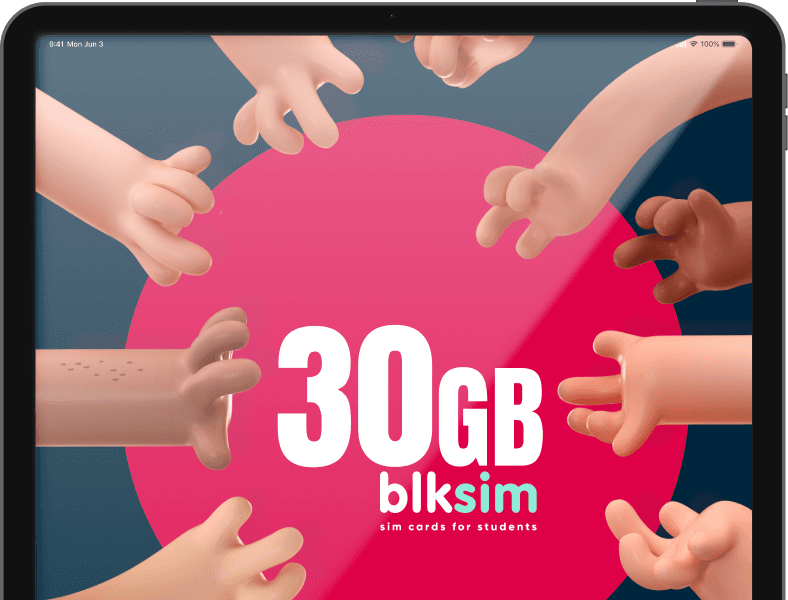
We had the idea to negotiate a deal with a cellular provider to utilize enterprise 4G fleet SIM cards, which come pre-loaded with 30GB monthly data bundles. They would perform the same function but in a different device.
These SIM cards are primarily for tracking systems in fleet vehicles and are thus registered to a single customer and distributed in bulk, eliminating the need for contracts, pre-approval, and credit checks.
This, in turn, opened up the possibility of fulfilling orders placed by anyone, including students, a market segment that none of the cellular giants could hope to tap into.
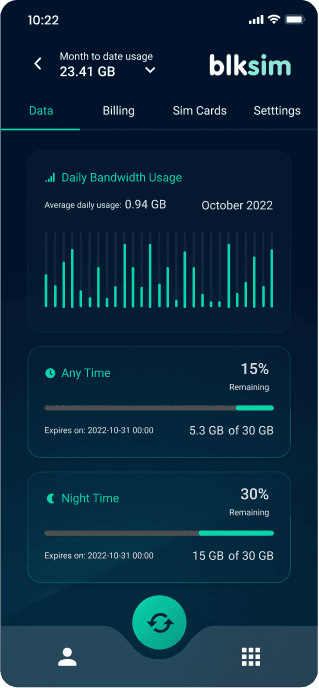
After meeting with one of the top three mobile operators in South Africa, the campaign was conditionally approved. We closed a deal to retail data SIM cards with 30GB of monthly data at $11.40 per month, a win for us as the cheapest comparable data SIM cards were priced at $34.00 per month. However, we were not allowed to advertise, promote, or otherwise divulge anything regarding the offer.
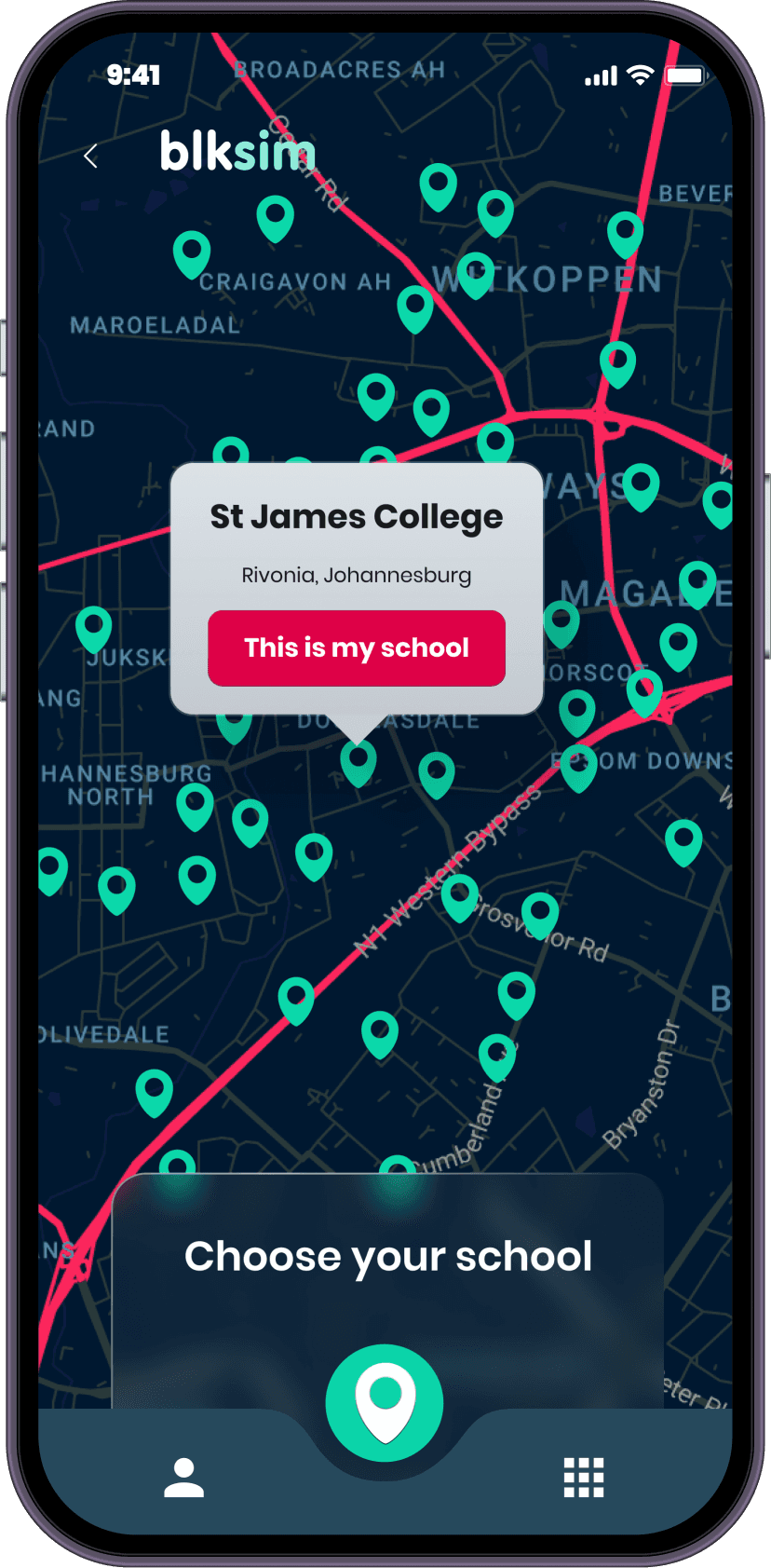
The most logical solution was to leverage existing national infrastructure, so we decided to distribute the SIM cards using schools as distribution hubs. Each school was responsible for its own students in terms of SIM distribution, payment collection, and new orders, resembling a multi-vendor marketplace. Each school had a dashboard where new orders were received and payments updated.

Marketing & Referrals
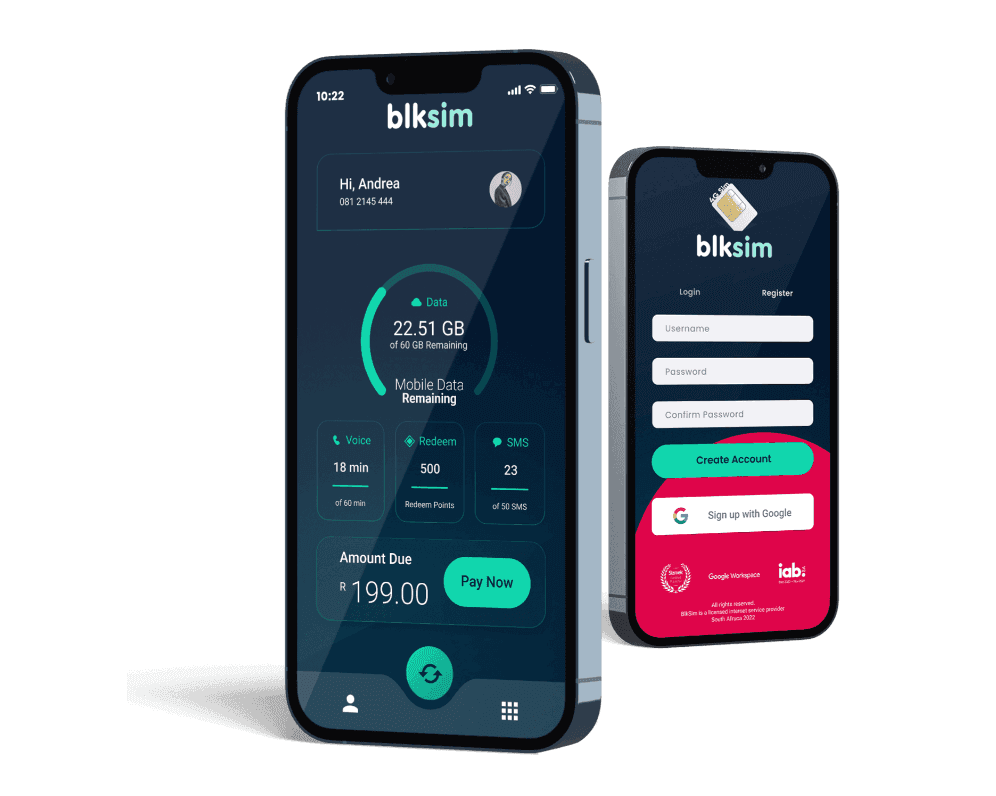
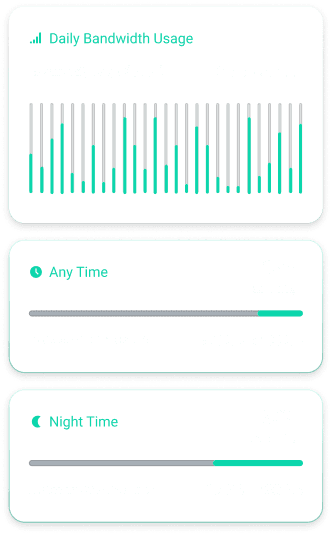
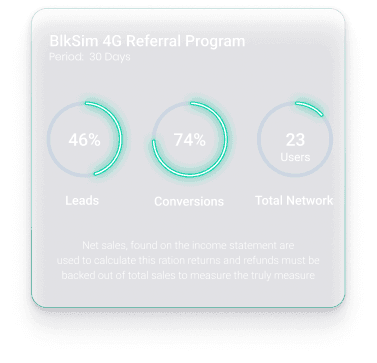
To encourage users to refer their friends, we decided to make that the function of the main button.
Additional Screens

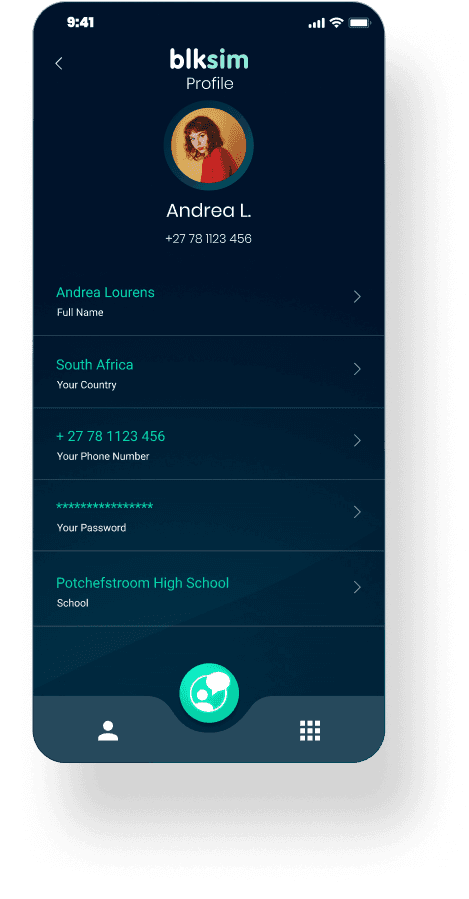
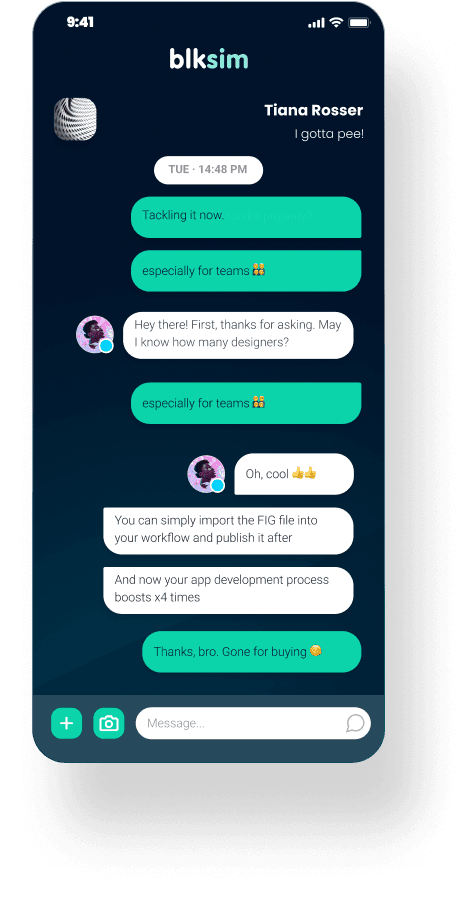
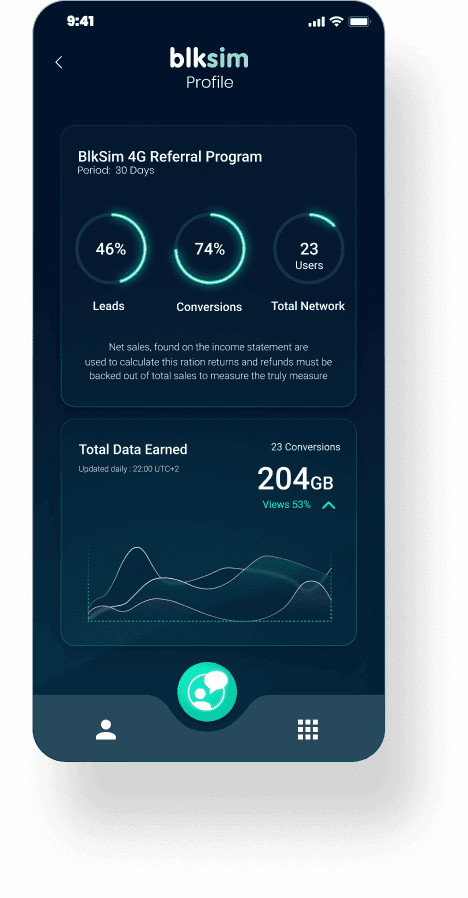
We initially intended to reach out to school representatives listed on the official list of registered schools and explain the offer, hoping they would pass along the information, but this plan died in the cradle due to too much explaining to people who appeared uninterested. This turned out to be a good problem, as instead, we introduced a referral program with data rewards for every converted referral and got students to promote the product. We approached them via Instagram and Facebook direct messages and added them as friends within popular groups, a slow process that quickly gathered momentum and snowballed the growth rate beyond what we could have managed on our own.
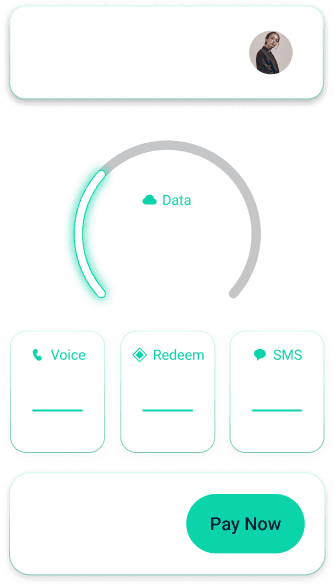
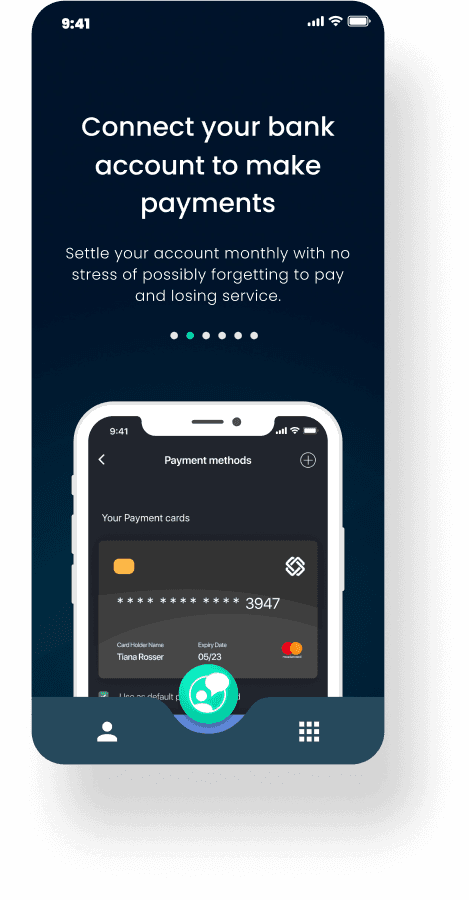
To meet the various challenges, we built a mobile app that would provide them with an easy way to manage their accounts, pay subscription fees, and importantly for the project, play their part in promoting the service. Once the automated payment processing and the referral program were in place, we began testing the platform by collecting feedback from the prototype on User Testing. As a result of our design approach, the user experience became scalable, and thanks to the flexible process, we were able to build a product quickly with minimal revisions before launch.
Student App Touchpoints
4 Steps to order a sim card
Find your school on the map
Confirm school selection

The research and exploration stages played a big part in the service design process, speeding up development.
The sections include:
By the end of 2020, the total number of users had reached 39,000 across seven provinces and continued growing in 2022. Thanks to the low price of the BlkSim student sim cards, the collective total monthly savings was over $1,000,000 within 3 months, which is significant considering the circumstances of the customers being served.
The project received corporate interest and offers for school sim card sponsorship. However, it was always only a temporary solution, and by the end of 2022, we decided to sunset the service, having provided a total of 85,302 students and their families with internet access.
The project and existing customers were absorbed into the general network of the ISP after we agreed to retain all existing customers on their student sim cards and at the same rate.
// ReadMe
// The rest of this case study shows visual elements including typography, color,
spacing, icons and the data-driven design process we followed.
// Also included: Service Blueprint, Project Roadmap, Story Map, User Empathy Map and Journey Map.
Typography & Color
Spacing
Icons
Journey Map
contact
Enable Geolocation data
Select your school from the map icons nearby
actions
Register a new account
Recover Password
Returning user - account dashboard
Creates an account
Service requires monthly payments
Easily orders new sim card
Well defined intent and expected outcome
Agrees to terms of service
Happy to proceed
Gains access to cheap mobile data
2. Familiarize UI and main feature set
3. Can achieve goals autonomously
4. Never experiences confusion or gets lost
5. Successfully converts and completes order
2. Click "Log in" or closes the application
2. Selects one of three :
3. Reads user reviews
4. Looks at the different without subscription
Feelings
• It conforms to best practice and I’m comfortable
• I can earn free data? How? Explores...
• Possible to continue without registration?
• Do I need to enter a password?
• Do I need a bank card?
• When will I have to pay?
• What currency can I
• How do I create an account
• Why should I import?
• Which banks are avc
* Will I be able to change
pain points
• Offer must be clearly communicated
• No doubt about credibility
• Avoid fear of scams
• Clearly outline the product offer
• What if I hit the wrong button?
Secondary:
• Can I have multiple accounts?
• Will it charge me without my prompt
• Can I get a payment grace period?
• Possible - continue w/out registration?
Secondary:
• How to get back?
• What if I already have an account?
• What if I get spam emails?
• Will I have reliable access
Secondary:
• What if I can’t pay
• Will I run out of data
Time spent onboarding
Fewer exits from the app -> User numbers grow
• Continuation of onboarding
• Enabling import
• * Continued by nbc
Service Blueprint
// Below is the Service blueprint showing the operational relationship
between all entities in the chain.
Mobile Service Provider
Schools
Mobile App
Students
Project RoadMap
// The design roadmap visualizes our team's creative process.
• project calendar
• project passport
• project storage
• technical task
• analysis of personas
• jobs to be done
• user flow
• customer journey map
• color palette
• typography
• digital materials
• wireframes
• design concepts
• design all pages
• final design
• mobile & tablet
• animations
• back-end
• testing & launch
Sprint 1
Sprint 2
Sprint 3
Sprint 4
Developement
Story Map
// User story mapping is both a visual and planning exercise that allows
a product development team to put all the tasks of a feature development
User Empathy Map
// An empathy map is a collaborative visualization used to articulate
what we know about a particular type of user.
Grade 6 Student
Grade 9 Student
Grade 10 Student
Grade 12 Student

Thinking
“I'm so frustrated with how much I have to pay for my phone plan. I feel like I'm getting ripped off, and I'm stuck in this contract with no way out.“
Seeing:
“I'm searching for other plans, but it feels like all the deals have terrible fine print and hidden fees. I'm researching what other people have said about the plans they have, but they all seem to be just as bad."
Hearing
“I just need to stay connected. Why are there no other options? I can't find a plan that fits my needs without breaking the bank.“
Doing:
“I'm searching for other plans, but it feels like all the deals have terrible fine print and hidden fees. I'm researching what other people have said about the plans they have, but they all seem to be just as bad. I'm trying to find some way to get out of this contract without getting penalized.”
Pains
Overpriced mobile data
Do not qualify for contracts that offer cheaper rates
No alternative
Forced to study remotely
Gains:
Minors can sign up
Cheapest 4G data in South Africa
Can access remote learning
Data rollovers
Free data for referrals
No contracts
Good credit score not required


Final Thoughts
Every single one of these solutions are boldly original so as to match its corresponding challenge.
We were told more than a few times to forget it.
"Can't be done. Too many variables."
Never say never.



All rights reserved.
BlkSim is a licensed internet service provider
South Afruca 2022